

High-mast lighting poles
Application area
Road and street lighting
Standards-compliant, uniform and efficient lighting for roads shared by vehicle and pedestrian traffic.
01 Approach
Road and street lighting: how to plan it?
Road lighting is designed so that drivers can see the road, junctions and pedestrians in good time. The decisive factors here are the road's traffic density and speed; on this basis, one of the M (motorised traffic routes) and C (junctions, mixed-use areas) classes of the TS EN 13201 standard is selected, and pole height, spacing and luminaire wattage are calculated for that class.
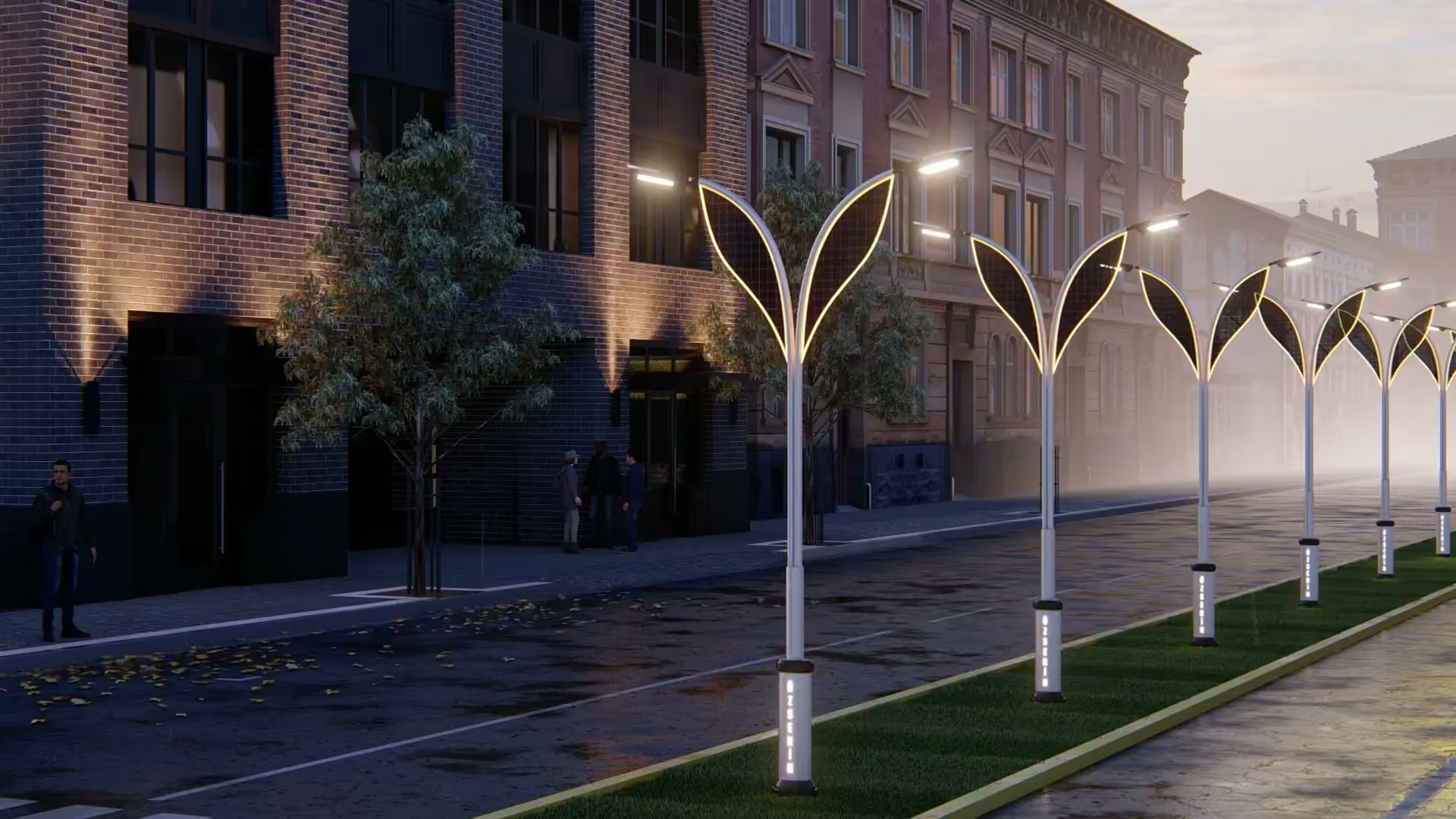
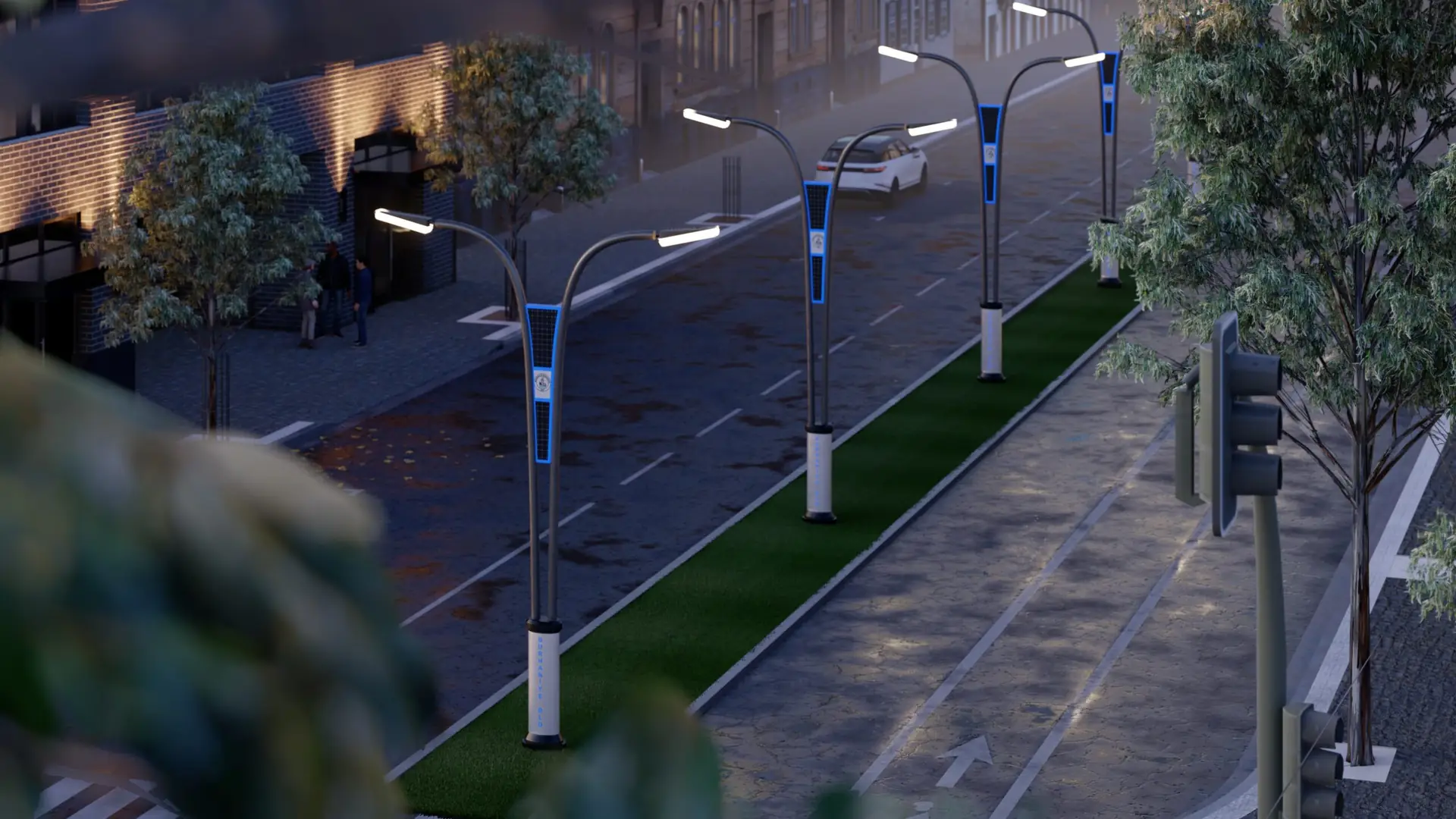
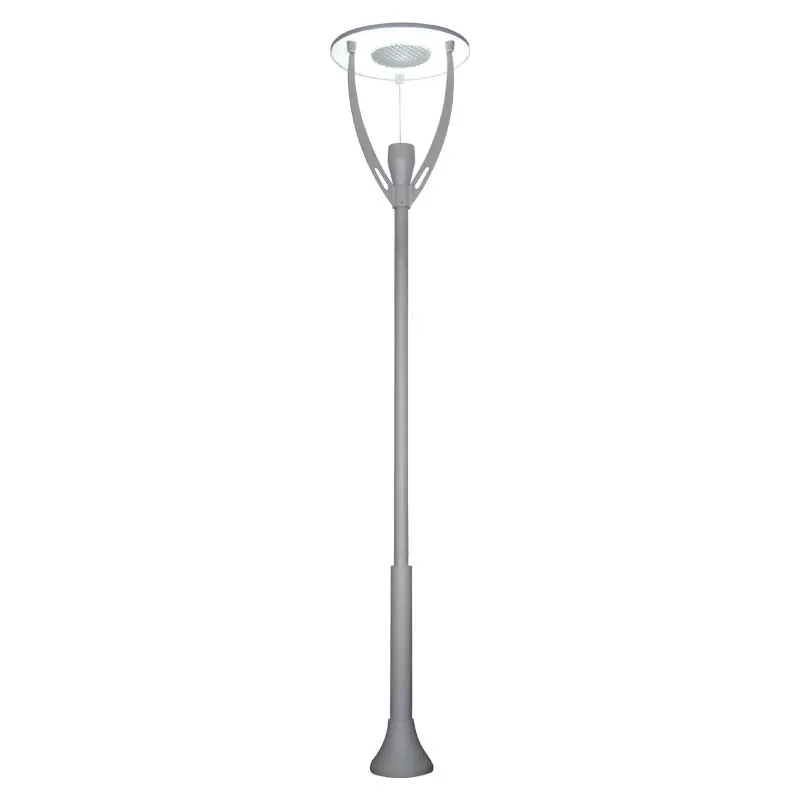
Özserin can produce double-arm tall poles for central reservations, single-arm tall poles for the roadside and decorative poles that suit the city's identity for boulevards, all within the same project. The poles are manufactured with hot-dip galvanised or aluminium bodies, at the required height and arm angle.
- Pole height
- 6–12 mby road type
- Lighting class
- M and CTS EN 13201
- Colour temperature
- 3000–4000 Kneutral / warm
- Mounting
- Single / double armcentral reservation and roadside
02 Design criteria
Points to consider.
These values are general design ranges; the exact result is determined for each project by a lighting calculation.
Get a recommendation for your project- 01
Determining the lighting class
The M or C class is selected by assessing the road's speed limit, traffic volume, number of junctions and pedestrian use together. The class defines the limits for luminance, uniformity and glare.
- 02
Pole height and spacing
Poles of 8–10 m are common on urban streets and boulevards, 10–12 m on wide, fast roads and 5–7 m on residential complex roads. Spacing is determined by a calculation based on the luminaire's photometric data; a single-sided, opposite or central reservation layout is chosen according to the road width.
- 03
Luminaire and optics
LED luminaires with road optics direct the light onto the road surface and reduce light spill into the surroundings and the sky. As a result, the same lighting level is achieved with lower power.
- 04
Structural design and wind load
Pole wall thickness and flange and anchor dimensions are determined by pole height, number of arms and the regional wind load. Foundation details are shared together with the quote.
- 05
Maintenance and operation
A service compartment with an access door, an easily removable luminaire fitting and long-life LED drivers reduce operating costs.



How tall should a street lighting pole be?
Poles of 8–10 m are generally used on urban streets and boulevards, 10–12 m on wide, fast ring roads and 5–7 m on residential complex roads. The exact height is determined by a lighting calculation based on the road width and the selected lighting class.
Which pole is used on a central reservation?
Double-arm poles are used to light a two-way road from a single line. Arm length and angle are made to suit the road width; on boulevards, models with decorative arms can also be chosen.
Which standard is road lighting based on?
In Türkiye, road lighting is designed according to the TS EN 13201 series of standards. This standard defines the lighting classes and the measurement and calculation methods.
Are high-mast poles galvanised?
Steel poles are hot-dip galvanised against corrosion; on request, an electrostatic powder coating in a RAL colour is applied on top.
05 Other application areas